

Professional Qualifications and Clinical Interests
Prof. Dr. R. Manikandan is a senior Urologist, Robotic Surgeon, and Kidney Transplant Surgeon with over 25 years of clinical, academic, and surgical experience. He formerly served as Professor and Head of the Department of Urology at JIPMER, Puducherry. His areas of expertise include robotic urology, kidney transplantation, uro-oncology, endourology, reconstructive urology, kidney stone management, prostate disorders, male infertility, paediatric urology, and urinary incontinence.
Dr. Manikandan has undertaken fellowship training in Germany, Spain, the United States and India. His clinical areas include evaluation and management of urological conditions. Treatment options, risks and expected outcomes are discussed on an individual basis.
Information on evaluation and treatment options for kidney, prostate, bladder and urinary tract conditions, including medical and minimally invasive approaches where appropriate.
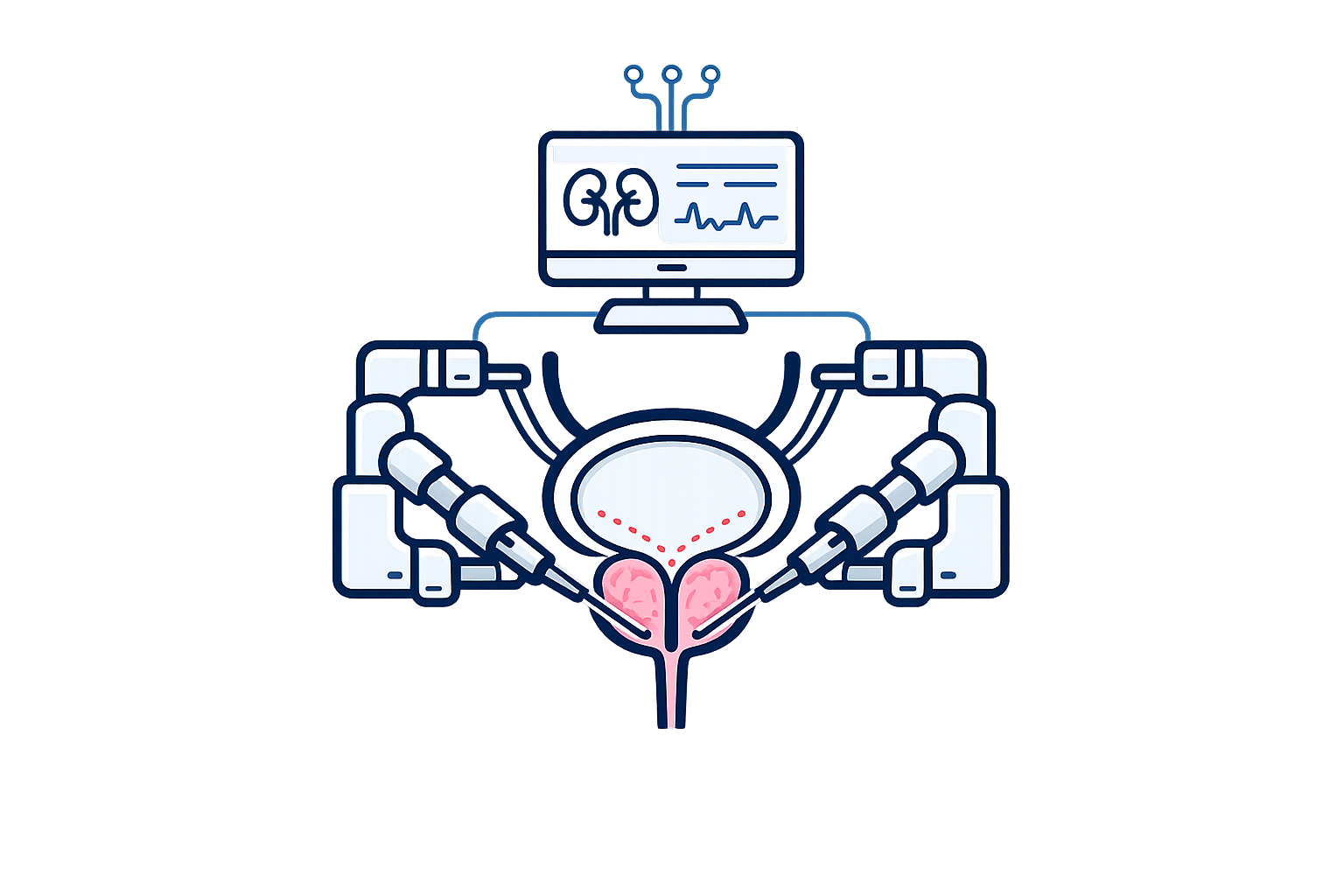
Robotic-assisted surgery uses surgeon-controlled instruments and may be suitable for selected procedures. Benefits and risks vary by patient and operation.
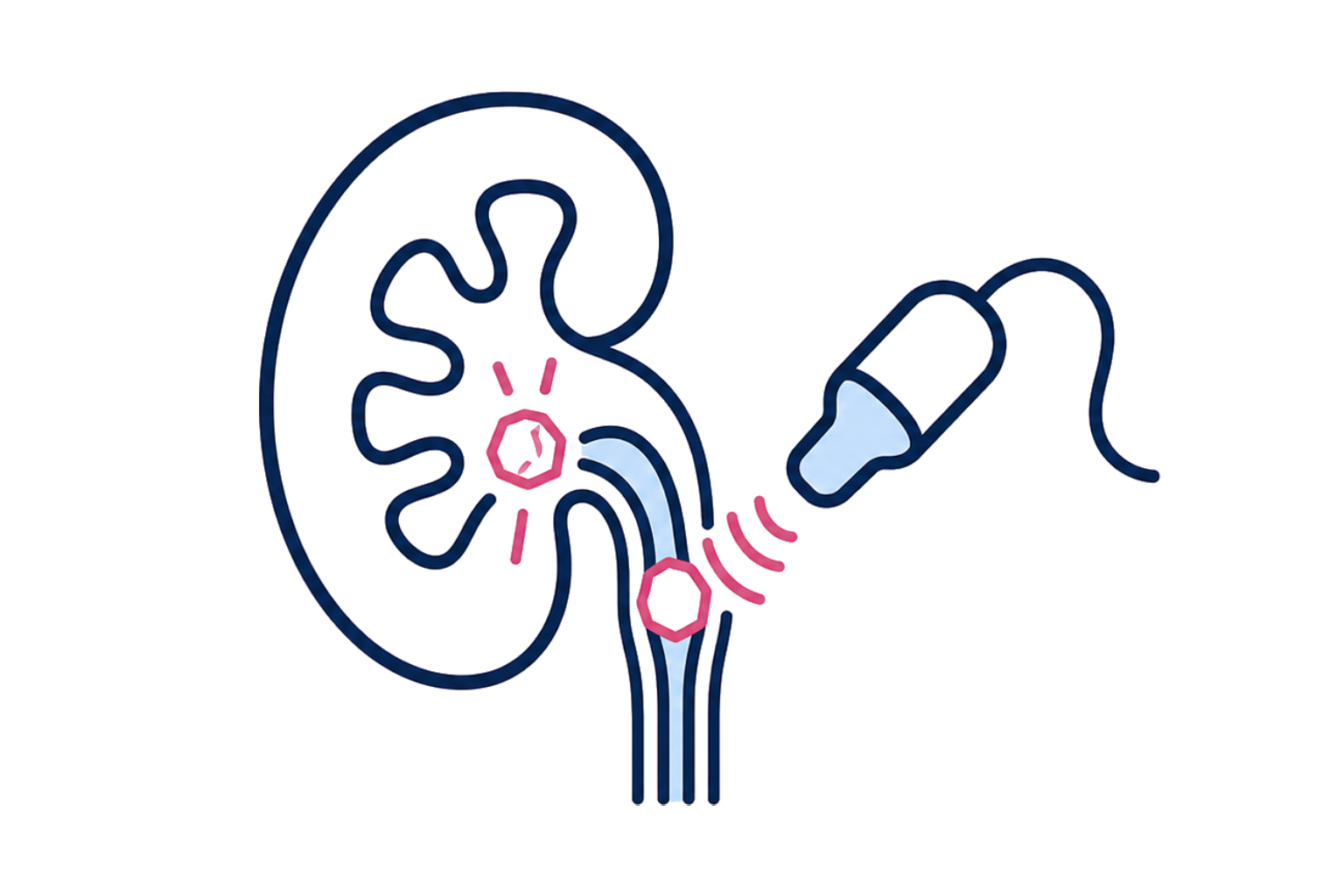
Clinical assessment and treatment options for kidney and ureteric stones may include ureteroscopy, laser lithotripsy, RIRS or PCNL when appropriate.
Kidney transplant evaluation, surgical planning and follow-up involve a multidisciplinary team at an appropriately authorised transplant centre.
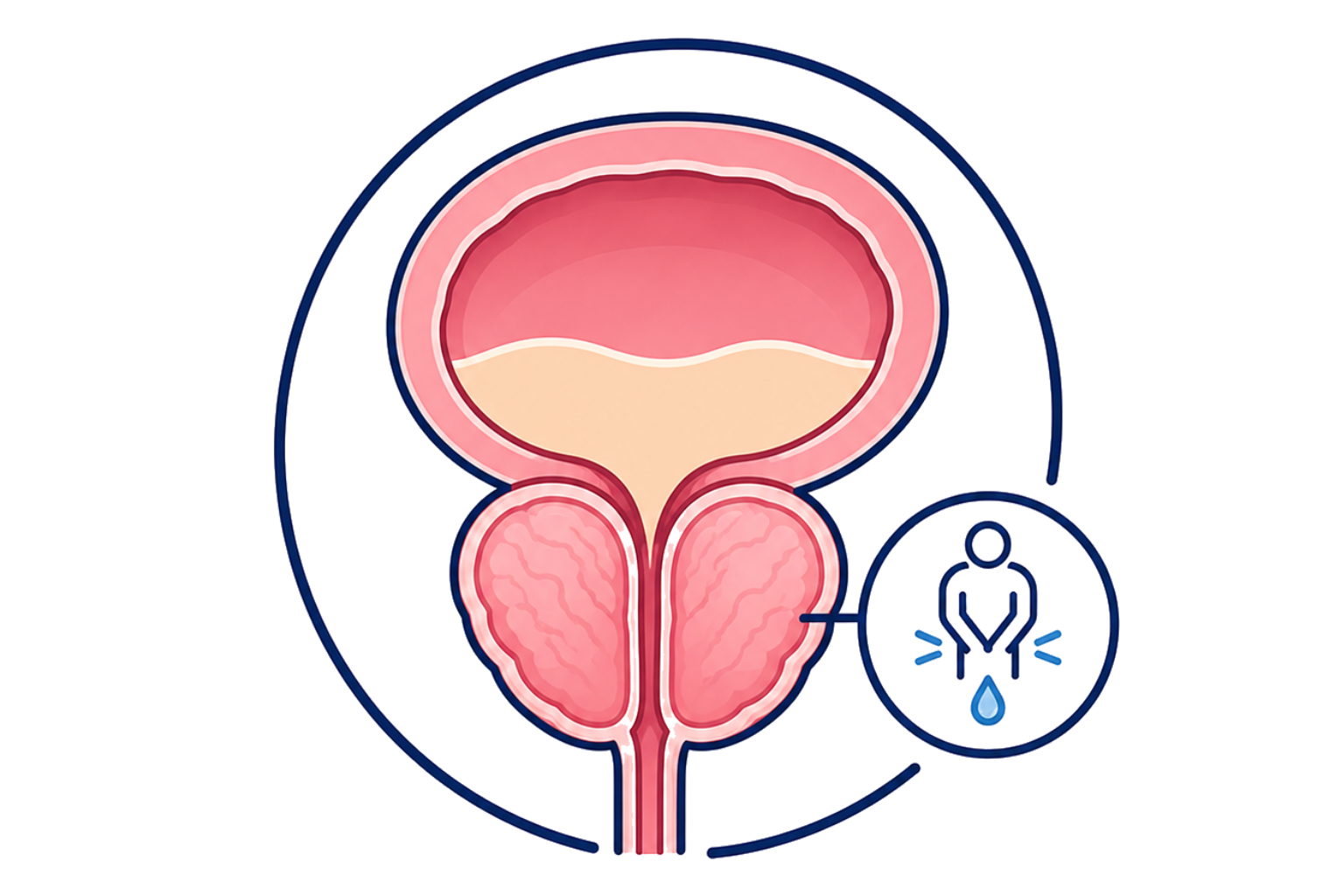
Evaluation and treatment planning for kidney, bladder, prostate and other urological cancers depend on diagnosis, staging and multidisciplinary assessment.
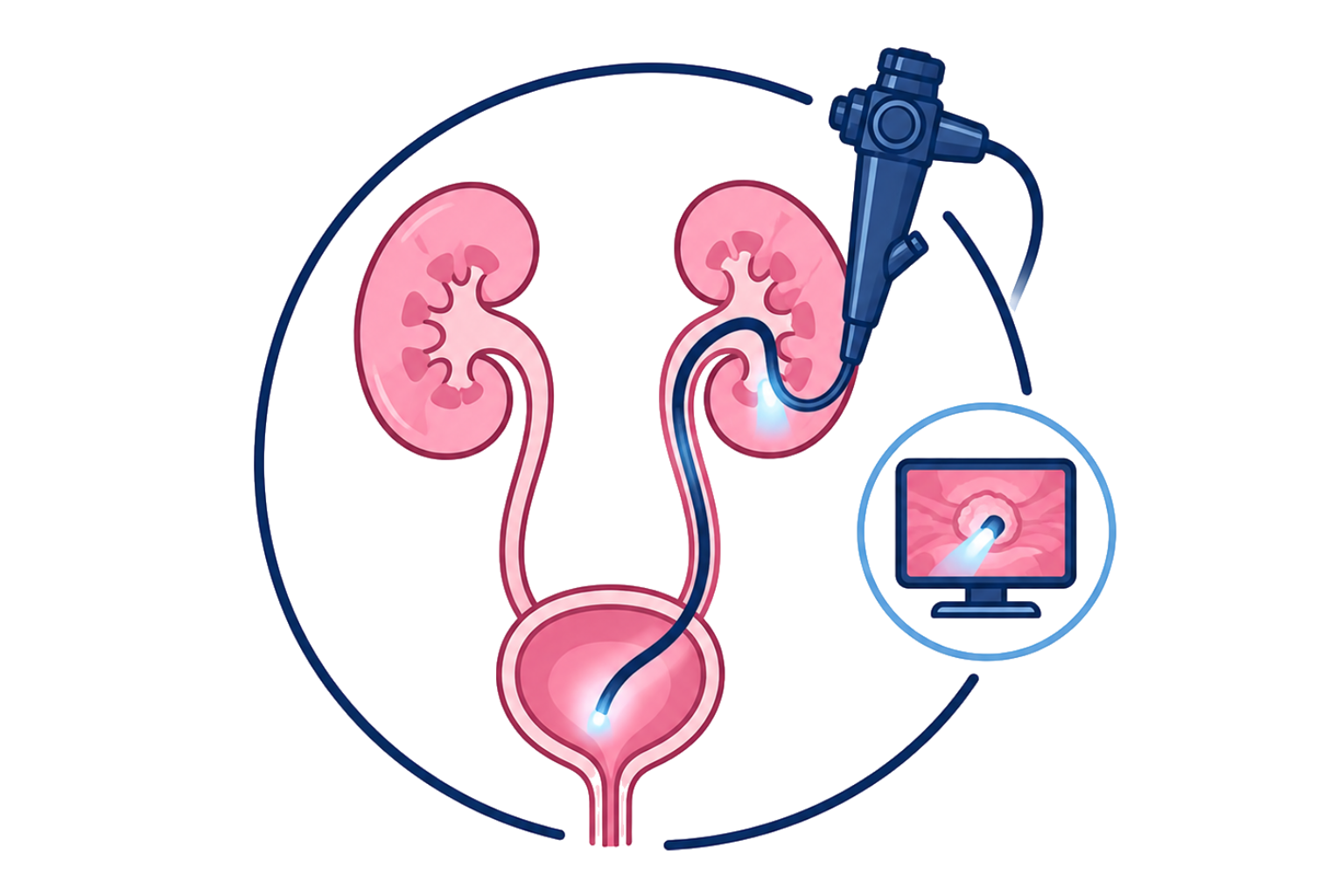
Endoscopic procedures may be used for selected urinary tract conditions. Recovery and discomfort depend on the procedure and patient.
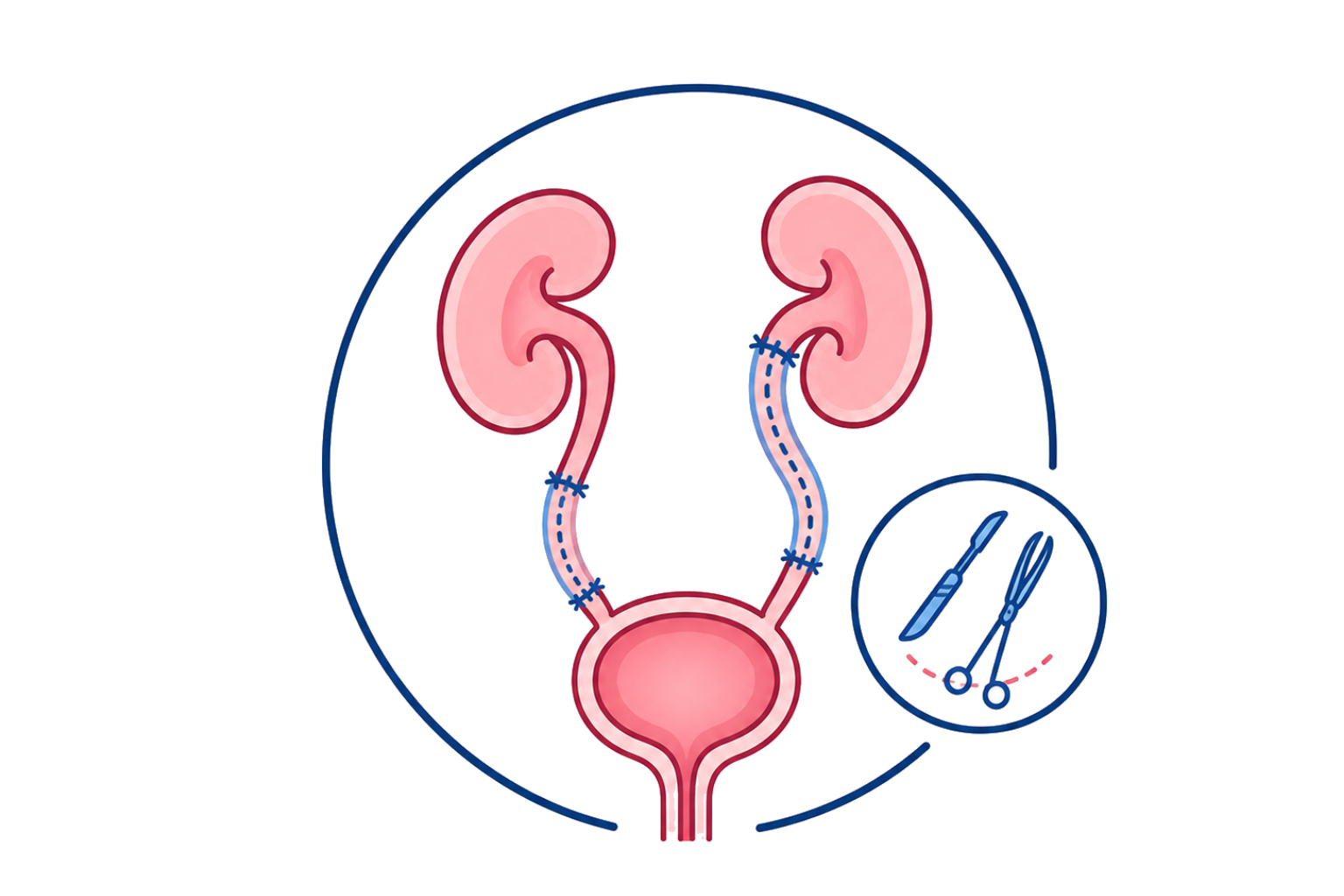
Information on assessment and reconstructive treatment options for urethral strictures and selected urinary tract conditions.

Urology Consultation Information
Find answers to some of the most common questions about urological conditions, treatments, consultations, and patient care. For clinic contact details and consultation timings, please refer to the Contact page.

A urology consultation may be appropriate for symptoms such as:
Early evaluation may help identify the cause of urinary symptoms and guide appropriate management. Outcomes vary by condition.
Clinical services include assessment and management of urinary tract conditions, kidney stones, prostate disorders, urinary incontinence and selected urological cancers. Kidney transplantation-related care is provided in collaboration with an appropriately authorised transplant centre, where applicable.
Some small kidney stones may pass naturally, while others can cause pain, obstruction or infection. Management depends on stone size, location, symptoms and kidney function. If the symptoms persist or worsen, you should immediately consult an urologist to determine the best possible treatment plan.
Many kidney stones can be managed without open surgery. Depending on the stone's size, location and clinical circumstances, options may include observation, shock-wave lithotripsy, ureteroscopy, RIRS or PCNL. Benefits, discomfort and recovery vary by procedure and patient.
Blood in urine has several possible causes, including infection, stones and other urinary tract conditions. It should be assessed by a qualified clinician to identify the cause and determine whether urgent care is needed.
Prostate screening is an individual decision based on age, symptoms, family history and other risk factors. A clinician can explain potential benefits and limitations of PSA testing.
Yes. Women can also consult an urologist for bladder problems, urinary tract infections, urinary incontinence, pelvic floor disorders, kidney stones, and other related urinary conditions.
Not necessarily. Urinary symptoms may arise from infections, bladder conditions, prostate enlargement or other causes. Clinical assessment may help identify the cause and guide appropriate treatment.
Robotic-assisted surgery may be appropriate for selected urological conditions. Like all operations, it carries risks; benefits, recovery and suitability depend on the procedure and the patient.
Dr. R. Manikandan has undertaken fellowship training in the USA, Spain and Germany. His clinical interests include robotic-assisted urology, endourology and the management of urinary tract and prostate conditions. Treatment recommendations are based on the individual diagnosis, available options and clinical evaluation.